


Deep Recovery - Restore All
4.269.00 Reviews
App Specs
- Version
- 1.11
- Updated On
- License
- Free
- Downloads
- 500,000+
- Developer
- Mario Cesar Berardo
- Categories
- Tools
- Platform
- Android
Screenshots
 Analysis by AppCompare
When a photo or document disappears from a phone, the first question is usually not which recovery tool looks impressive; it is whether anything can still be brought back before more activity makes the situation harder. I’d treat Deep Recovery - Restore All as a practical first stop for that moment, not as a substitute for keeping another copy of important files. It is a free tools app from Mario Cesar Berardo, and its focus is recovery rather than general file management.
Before you start, protect what is still there
If I had just deleted something valuable, I would pause before taking more photos, downloading large files, or installing several recovery apps in a row. That is sensible housekeeping for any recovery attempt: avoid adding unnecessary activity while you work out what went missing. I would also check the phone’s own recently deleted area or any backup I already use. Those options can be simpler when the item is still there, while a recovery scan is worth trying when the usual route has not helped.
This distinction matters because no recovery tool should be treated as a guarantee. A deleted item may no longer be recoverable, and the outcome can depend on the device and what has happened to its storage since deletion. The useful question is not whether the app promises a miracle, but whether it gives me a straightforward way to look for files and decide what to restore.
Getting Started with Deep Recovery
First off, downloading and setting up Deep Recovery - Restore All is a breeze. It’s available for both Android and iOS, so no matter your device, you’re covered. Once you’ve got it installed, the interface welcomes you with a clean, user-friendly layout. Seriously, even if you’re not super tech-savvy, navigating through it feels intuitive. The app is rated for Everyone and supports Android 7.0 or later, which makes it relevant to people using a range of Android devices.
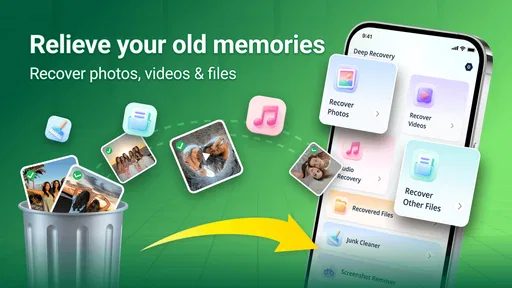
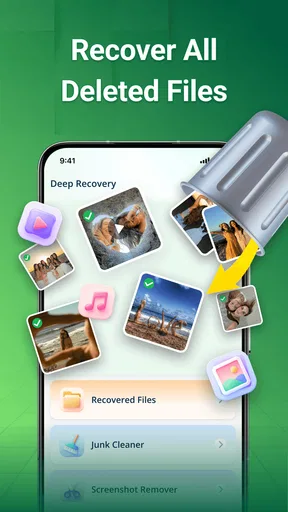
The app claims to help you recover photos, videos, contacts, and documents that you might have accidentally deleted. And who doesn’t need a digital safety net these days? I mean, I’ve definitely been there, deleting something important in a fit of decluttering madness. So, I was eager to see how effective this app really is. For an everyday example, imagine deleting a picture while clearing out a crowded camera roll, then realizing later that it was the one image you meant to keep. A recovery tool is useful in that specific window: it gives you somewhere else to look before you give up on the file.
Features and Functionality
One of the standout features of this app is its ability to scan your device thoroughly. Once you hit the scan button, it digs deep into your phone’s storage to find those lost files. It’s like having a mini detective on your device, working tirelessly to recover your lost treasures. I’d start with the type of item I actually need rather than treating a broad search as a reason to restore everything that appears. A focused check makes it easier to review candidates carefully and avoid turning a recovery attempt into another round of phone cleanup.
The app supports various file types, which is a huge plus. Whether you’ve lost a photo, a video, or even a contact, Deep Recovery has your back. I tested it by deleting a few photos and a contact, and the app managed to retrieve them without a hitch. It’s nice to know that those precious memories or important numbers are just a few taps away from being restored. Still, I would treat that result as a helpful experience rather than a promise that every deleted file will return. If the file is important, check the recovered item itself before assuming the job is done.
Worth Reading Before You Choose

EA SPORTS FC Mobile 26 Is a Bigger Football Game, but It Takes Time

Flipboard Shows What News Apps Must Do Beyond the Feed

Switching to Android Auto Means Rethinking Your Driving Routine

Google Calendar Makes a Crowded Week Easier to Manage

Ludo King Makes the Most of the Minutes Between Plans

Baby Panda World Brings Quick Play to Modern Phones, but Its Game Library Feels Busy
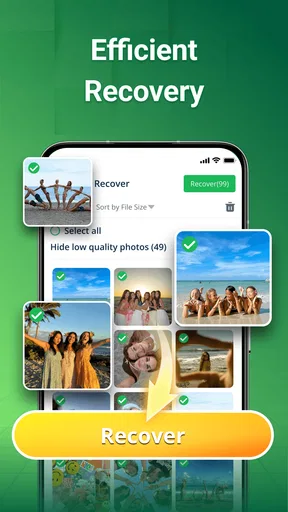
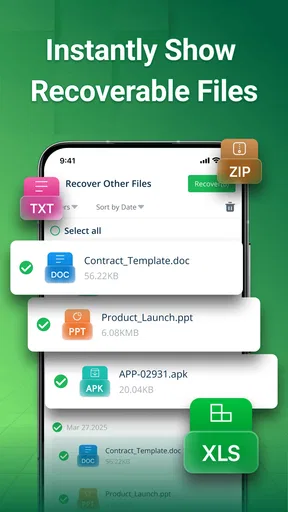
I also appreciated the preview feature. Before diving in and restoring everything, you can actually preview what you’re about to recover. This means you won’t accidentally restore a bunch of unnecessary files, keeping your phone clutter-free. My practical tip is to use that preview as a verification step: check that the image, video, or document is the one you meant to retrieve, then restore selectively. Similar-looking thumbnails or old files can be easy to confuse when you are scanning in a hurry.
Performance and Usability
In terms of performance, the app runs smoothly. The scanning process is fairly quick, although this can vary depending on the storage size and the number of files on your device. But even with a ton of data, it didn’t feel sluggish or overwhelming. I would still run a scan when I can leave the phone alone for a moment, rather than starting it just before I need the device for something else. That gives me room to inspect what turns up instead of rushing into a restore.
Usability-wise, I found the app to be pretty straightforward. The instructions are clear, and there aren’t any confusing menus or settings to get lost in. Plus, the restoration process is just a tap away, making it incredibly user-friendly. The trade-off is that simplicity does not remove the need to make a careful choice: a quick restore is convenient, but it is still worth confirming that the selected file is relevant and that the restored copy is accessible afterward.
Making the recovery handoff useful
Recovery is only one part of the job. Once a file reappears, I would move from “found” to “safe” by opening it, checking that it works, and placing an important copy somewhere I already trust, such as an established backup or a separate storage location. That follow-up is especially useful for a document or contact you need for work: finding it in a scan is not the same as having a dependable copy for next week.
For photos and videos, I would review the recovered item at full size rather than relying only on a preview. A thumbnail can tell me which moment I am looking at, but opening the file is the better check that it is usable. For a contact, I would confirm the name and number in the address book after restoration. These small checks keep the process grounded in the real goal: getting back a usable item, not merely seeing a promising result in a scan.
This is also where the app differs from the usual alternatives. A phone’s built-in deleted-items folder or a cloud backup is often the cleaner first choice when the missing item was saved there; those methods fit naturally into regular file management. A recovery app is more appealing when those familiar places do not solve the problem and I want to search the device itself. I would use the options in that order rather than assuming one approach replaces the others.
Who will get the most from it
I can see this being handy for someone who occasionally deletes a photo, video, contact, or document by mistake and wants a simple tool to try before abandoning the search. Its straightforward layout makes it less intimidating than a complicated desktop recovery workflow, especially when the problem is limited to a personal phone and one or two missing items.
It is less suitable for someone who needs a guaranteed recovery for irreplaceable work files, or who is trying to recover data from a device that is badly damaged or no longer usable. In those cases, a routine backup—or help from a specialist if the stakes justify it—may be a better plan than relying on a phone app. I would also skip installing it as a replacement for regular backups. A recovery tool is a fallback, not a dependable archive.
The app has an average rating of 4.2 from around 1.4 thousand ratings, with roughly 69 written reviews, and it has passed 500 thousand installs. Those figures suggest that people have found a reason to try it, but they do not tell me what will happen on a particular phone or with a particular deleted file. I’d weigh the simple workflow and broad file focus more heavily than popularity when deciding whether it fits my own situation.
Where the flow can break
The biggest limitation is the nature of recovery itself: a scan can only help if the item remains findable on the device. I would not wait until after repeatedly using the phone to look for something important, and I would not keep restoring questionable results just because they appear in a list. The app’s preview helps with selection, but careful timing and a follow-up copy are still part of a sensible recovery routine.
There is also a difference between finding an item and knowing it is the right version. If I have several similar photos or documents, I would compare the preview and open the restored file before deleting anything else or making decisions based on it. For important information, I would verify it in the app where I normally use it—for instance, checking that a contact is present in the address book rather than stopping at the scan screen.
Deep Recovery is currently at version 1.11. I would view that as context for the app I am considering, not as a reason to expect a particular result. What matters more to me is whether its scan and preview fit the immediate task, and whether I can complete the handoff by checking and safely keeping what I recover.
Final Thoughts
Overall, Deep Recovery - Restore All is a solid choice if you’re looking for a reliable recovery tool. It’s simple, effective, and does exactly what it promises. While I hope you never have to use it, having it installed provides peace of mind. Just think of it as a little insurance policy for your digital world.
If you’re prone to digital mishaps like me, I’d say give it a shot. It’s like having a safety net for those moments when you accidentally hit delete and immediately regret it. Happy recovering!
Pros
- Efficiently recovers deleted files.
- Supports a wide range of file types.
- User-friendly interface.
- Fast scanning process.
- No root access required.
Cons
- Limited free version features.
- Occasional false positives.
- Ads can be intrusive.
- Requires internet for some features.
- No support for encrypted files.
FAQs for Deep Recovery - Restore All
What types of files can Deep Recovery - Restore All recover?
Deep Recovery - Restore All is designed to recover a wide range of file types, including photos, videos, audio files, documents, and more. It supports various formats, ensuring that users can restore almost any file type that has been accidentally deleted or lost. This versatility makes it a valuable tool for comprehensive data recovery.
Is Deep Recovery - Restore All user-friendly for beginners?
Yes, Deep Recovery - Restore All is designed with a user-friendly interface that makes it accessible for users of all experience levels. The app provides step-by-step guidance throughout the recovery process, helping even those with minimal technical skills to recover lost files efficiently and without hassle.
Does Deep Recovery - Restore All offer a preview option before recovery?
Absolutely, Deep Recovery - Restore All includes a preview feature that allows users to view recoverable files before proceeding with the recovery process. This ensures that users can selectively restore the files they truly need, saving time and storage space while avoiding unnecessary data recovery.
Is my data secure while using Deep Recovery - Restore All?
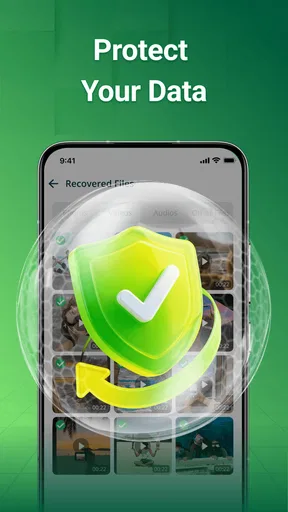
Security is a top priority for Deep Recovery - Restore All. The app uses advanced encryption methods to ensure that your data remains private and secure throughout the recovery process. Users can trust that their recovered files will remain confidential and protected from unauthorized access.
What are the limitations of the free version of Deep Recovery - Restore All?
The free version of Deep Recovery - Restore All typically offers limited features compared to the premium version. Users may experience restrictions on the number of files that can be recovered or lack access to advanced recovery options. For full functionality and unlimited recovery, upgrading to the premium version is recommended.


